Senior Horse Not Drinking in Winter? How Much He Needs
Every yard has one: the retired gelding in his twenties who saunters past a half-frozen trough, takes two polite sips, and wanders back to his hay. If you are worried about a senior horse not drinking enough water in winter, trust that instinct — of all the quiet winter problems, this is the one with real teeth. A younger horse often drinks his way out of trouble. An older Thoroughbred, Quarter Horse, Arabian, or Morgan with worn teeth, stiffer joints, and a fading thirst drive may not, and the gap between what he drinks and what he needs is exactly where winter impaction colic lives.
Direct answer: A senior horse needs roughly the same water as any adult horse — about 5 to 10 gallons (19–38 litres) a day at rest in cool weather for an average 1,000–1,100 lb (450–500 kg) horse, and often more in winter than owners expect, because dry hay replaces moist pasture. The problem is rarely the requirement; it is that seniors commonly drink less than they need in cold weather. If your senior is consistently drinking under about 5 gallons a day, is leaving buckets untouched, or is passing dry, hard droppings, treat it as a management problem to fix today — and call your vet if droppings stop, appetite drops, or colic signs appear.
Why Winter Raises a Senior Horse’s Water Need While Cutting His Intake
Start with the feed change, because it is the part most owners miss. Fresh pasture is roughly 75–85% water: a grazing horse takes in a significant share of his daily fluid with his grass and barely notices doing it. Winter hay is only about 10–15% moisture. When the grass goes, essentially all of a horse’s water must come from the bucket or trough — at the exact season when cold makes drinking least appealing. A 500 kg horse eating 10 kg of hay a day gets barely a litre of water from his forage. Everything else must be drunk, voluntarily, from water that may be close to freezing.
Horses strongly prefer to drink water that is not icy. Research and extension guidance consistently show intake rises when water is offered around 45–65°F (7–18°C), and falls when it approaches freezing — some horses, especially those with sensitive, worn, or missing teeth, will actively avoid very cold water because it hurts. Add a senior’s other barriers and the shortfall compounds:
- Dental wear. Expired, loose, or missing molars and sharp enamel points make chewing painful and drinking cold water unpleasant. A senior who quids his hay often drinks cautiously too.
- Reduced thirst drive and body changes. Ageing affects thirst sensation, and conditions common in seniors — PPID (equine Cushing’s disease), early kidney compromise, chronic low-grade pain — can each shift drinking up or down in ways that mask true hydration.
- Mobility and herd rank. Arthritis in the hocks, fetlocks, or neck makes a long walk across a frozen, rutted field to a single trough a real cost, and a low-ranking senior may be quietly moved off the water by younger fieldmates every time he approaches.
- Medication and appetite changes. Some long-term medications affect appetite and drinking, and a horse eating less dry feed may trigger less thirst — while still losing water in urine and manure.
Meanwhile the losses continue regardless: manure, urine, breath, and the water bound up in digesting a high-fibre hay diet. The colon draws water from digesta as it passes; if intake is short, the colon simply extracts more, producing the dry, hard, scant droppings that precede an impaction — a firm blockage of digesta, most often in the large colon, that is one of the commonest colics of winter and of old horses alike.
How Much Water Should a Senior Horse Drink Each Day?
Use the adult baseline, then judge your individual against it. An idle mature horse at rest in mild-to-cool weather typically drinks 5–10 gallons a day; the National Research Council figures commonly cited by extension services put an idle 1,100 lb horse at roughly 5.5–7.5 gallons at 68°F (20°C), rising steeply with heat and work. Winter does not lower the requirement — cold, dry air and an all-hay diet keep it squarely in that range, and many nutritionists plan on the upper half of it for seniors on dry forage.
The only way to know your horse’s number is to measure it, at least for a few days. In a stable that is easy: fill a known bucket (most stable buckets are 4–5 gallons) and record fills. At pasture it is harder, which is one more reason to bring seniors in, or at least observe them at the trough, daily in winter. You can sanity-check your target for his size and workload with the Horse Water Intake Calculator, and weigh him — or weight-tape him — with the Horse Weight Calculator, because every water and feed figure scales from body weight.
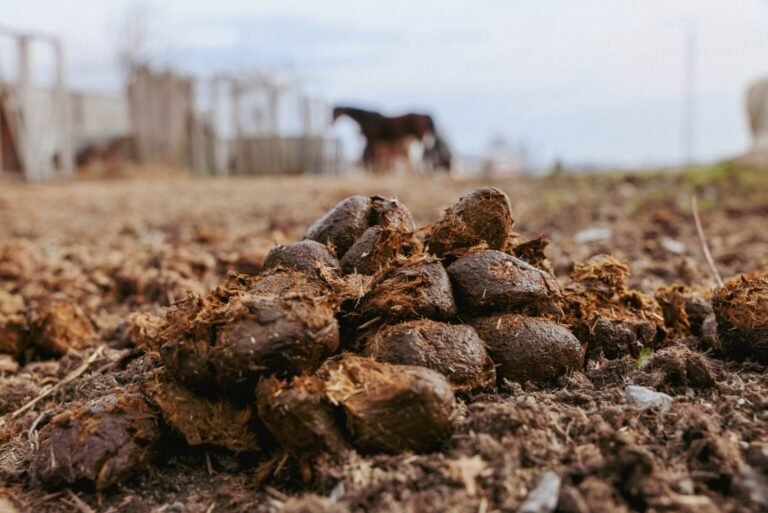
Simple hydration checks back up the bucket maths. Skin tenting is unreliable in older horses whose skin has lost elasticity, so lean on the other signs: gums should be moist and pale pink, not dry or tacky; capillary refill (press the gum, watch the colour return) should be under about 2 seconds; droppings should be formed, moist balls that break apart, not hard dry pellets; and urine should be pale yellow. A senior producing noticeably fewer, harder droppings over 24–48 hours in winter is a horse whose water intake needs intervention that day, not next week.
A Practical Winter Drinking System for Senior Horses
None of the fixes below are expensive. Together, they close most of the senior winter gap.
Make the water warm, clean, and close
Offer water at roughly 45–65°F where you can. Practical tools range from heated buckets and trough de-icers (always installed and checked per the manufacturer’s electrical safety instructions, with cables out of reach) to the low-tech routine of carrying warm water to top up buckets at evening checks — many seniors will take a long drink immediately when warm water arrives. Break and remove ice at least twice daily, scrub buckets and troughs two or three times a week (seniors are as put off by stale, algae-tanged water as any horse), and in the field, place water where an arthritic horse can reach it without a long trek or a mud bath, with enough trough space — or a second trough — that a low-ranking old horse can drink undisturbed. Check he can lower his head comfortably; a trough rim at a height that suits younger horses may punish a stiff neck.
Add water to the feed itself
This is the senior owner’s most reliable lever, because it does not depend on thirst at all. Make the concentrate feed a warm mash: soak a senior feed, high-fibre cubes, or unmolassed beet pulp (soaked fully, per the manufacturer’s times — typically speedi-type beet in about 10 minutes, shreds or pellets considerably longer) in warm water to a porridge consistency. A mash can quietly deliver half a gallon to a gallon of water per feed. Soaked hay or hay cubes help the same way and double as a solution for poor teeth; a horse who cannot chew long-stem hay effectively may thrive on soaked chopped forage and cubes, with total forage still at 1.5–2% of body weight a day in dry matter terms. Review the senior ration as a whole with the Horse Feeding Calculator whenever you change it.
Use salt to switch thirst back on
Salt is the horse’s natural thirst trigger, and most hay-based diets are low in sodium. Provide plain loose salt free choice, and for a senior in light work or none, adding about 1–2 tablespoons (roughly 30 g) of plain salt a day to the mash is a common, vet-endorsed way to encourage drinking — check with your own vet for horses with kidney or heart conditions before adding salt deliberately. Commercial electrolytes have their place after sweating, travel, or a vet’s direction for a dehydrated horse, but plain salt plus water does the everyday winter job; never offer electrolyte water as the only water, since some horses refuse it and end up drinking nothing.

The Veterinary Picture: Teeth, PPID, Kidneys, and Colic Warning Signs
Winter drinking problems in seniors are often a symptom, not just a habit, so build the checks into the season. A dental examination at least once a year — many vets prefer every 6 months for horses over 20 — catches the loose tooth or painful mouth that makes cold water and hay a misery. Discuss PPID testing with your vet if drinking or urination changes noticeably, weight or muscle melts off the topline despite adequate feed, the coat is long or slow to shed, or laminitis appears; PPID horses may drink more, not less, and either direction of change is information. Kidney function, assessed by bloodwork, matters more with age and shapes decisions about protein, calcium, and salt. The University of Georgia’s extension-published senior horse guidance gives a useful overview of ageing-horse management, and the Merck Veterinary Manual’s pages on colic in horses explain impaction and its treatment for owners who want the clinical detail.
Call your vet the same day — do not wait overnight — if your senior shows colic signs (pawing, rolling, flank watching, getting up and down), passes no droppings or only scant dry pellets, goes off feed, has dry tacky gums or sunken eyes, or has a known low water intake during a cold snap and becomes dull or quiet. Impaction colic caught early is often managed medically with fluids and monitoring; caught late it can become a surgical emergency. If in doubt, phone and describe the droppings and the bucket level — your vet would always rather hear from you early.
Frequently Asked Questions
How many gallons of water should a senior horse drink in winter?
About 5–10 gallons a day for an average 1,000–1,100 lb senior at rest — the same baseline as a younger adult, and best planned at the upper end of that range when the diet is all dry hay. Measure with a known bucket for a few days to learn your horse’s normal, because his normal is the number that matters.
Why does my old horse drink less when it is cold?
Mainly because near-freezing water is unappealing and can hurt sensitive teeth, and ageing can blunt thirst drive. Stiffness and herd competition at a distant trough add to it. Warming the water to roughly 45–65°F, keeping it ice-free and close, and adding warm mashes and plain salt to the feed will lift most seniors’ intake within a day or two.
Can dehydration really cause colic in a senior horse?
Yes — it is one of the classic winter pathways. When intake falls, the large colon absorbs more water from digesta, which becomes dry and slow-moving and can impact, particularly in older horses with reduced gut motility or poor chewing. Dry, hard, reduced droppings are the early warning; act on them the same day.
Is it safe to give my senior horse warm or hot water?
Warm, yes — comfortably warm water is ideal and encourages drinking. Boiling or very hot water, no: it can scald the mouth and will simply be refused until it cools. Aim for the temperature of a warm bath at most, and always leave plain water available as well if you offer a flavoured or electrolyte drink.
My senior horse has started drinking much more than usual. Is that a problem?
It can be. A clear increase in drinking and urination in an older horse is a reason to book a vet visit and mention PPID (Cushing’s disease) and kidney function — both are common, manageable, and better caught early. Take a note of roughly how much he is drinking before you call; it helps the vet judge the change.