Can Chinchillas Eat Raisins? The Honest Answer
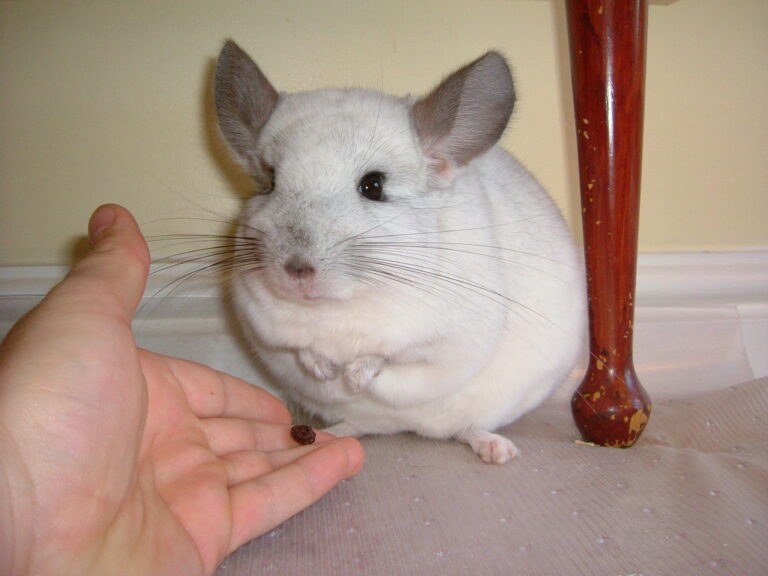
You are standing in the pet shop, looking at a bag of treats, and there it is: a bag of raisins, marketed for small pets. Your chinchilla would love one. Every chinchilla owner has heard the same advice for years — a raisin is the classic chinchilla treat. So you ask the question that splits the chinchilla world in half: can chinchillas eat raisins, or is this old advice now out of date?
Direct answer: No, chinchillas should not eat raisins. Skip them. One raisin holds more sugar than a chinchilla should eat in a whole day, and a chinchilla’s gut is built for dry grass hay, not sweet dried fruit. Raisins are not poisonous to chinchillas the way they are to dogs, but they are too sugary, too sticky, and too likely to upset a sensitive digestive system. If your chinchilla already ate one raisin, do not panic — one is not an emergency — but do not make it a habit. Offer a dried rosehip, an apple stick, or a hay cube instead.
That answer will surprise some owners, because the advice used to be different. Old care sheets, pet shop staff, and even some vet hospital handouts still list raisins as a chinchilla treat. At the same time, modern vet sources say to avoid dried fruit entirely. This guide does the sugar math in the open, shows you exactly where the sources disagree, and gives you safer treats that your chinchilla will enjoy just as much.
Can chinchillas eat raisins? The short answer, in full
No, not as a regular treat. A raisin is a dried grape, and drying concentrates the sugar. A fresh grape is about 16 percent sugar. A raisin is about 60 to 72 percent sugar. That means a raisin is roughly four times as sugary, bite for bite, as the fruit it came from.
Now compare that with what a chinchilla should eat. A chinchilla’s diet should contain no more than about 4 percent sugar. Its gut is built for dry grasses from the Andes mountains, where food is tough, fibrous, and low in sugar. Hay and plain pellets are the whole diet. Everything else is a treat, and treats should stay under 10 percent of the total food.
One raisin weighs about 0.4 grams, and roughly 0.3 grams of that is sugar. A chinchilla eats about 20 to 30 grams of food a day, so 4 percent of that is about 1 gram of sugar for the whole day. One raisin uses up about a third of the daily sugar allowance in a single bite. Two raisins use up two thirds. Three raisins, and your chinchilla is over its sugar limit for the day — before it has eaten anything else.
That is the sugar math, and it is why the modern advice says to skip raisins. It is not that one raisin will poison your chinchilla. It is that a raisin is the worst possible way to spend a sugar allowance that is already tiny. A treat should be a small pleasure, not a third of the day’s sugar in one bite.
The second problem is the gut. Chinchillas have one of the most sensitive digestive systems of any small pet. Their hindgut depends on a careful balance of bacteria to ferment fibre. Sugar feeds the wrong bacteria, and the balance tips fast. The result is gas, bloating, soft droppings, and in bad cases, gut stasis — the gut slows down or stops, which can become life-threatening within a day.
The third problem is the teeth. Raisins are sticky. They cling to teeth, and chinchilla teeth grow all their lives. Sticky, sugary food on growing teeth is a recipe for dental trouble, and dental disease is one of the most common health problems in pet chinchillas. A dry treat like a hay cube or an apple stick cleans the teeth instead of coating them.
What the websites say — and why they disagree
The raisin question is one of the most argued topics in chinchilla keeping, and the ranking pages genuinely contradict each other. Here is what the main ones actually say, side by side:
| Website | What it says about raisins for chinchillas | How old / how reliable |
|---|---|---|
| The Vet Desk (vet-approved) | Not poisonous, but stay away, or only on very rare occasions in strict moderation with a vet’s green light | 380 days old; the only dedicated raisins page, but it hedges without numbers |
| SpectrumCare treats guide | Avoid dried fruit, raisins, nuts, seeds and grains; treats under 10% of the diet | 252 days old; modern vet-aligned advice, clear and firm |
| MSD Veterinary Manual | Avoid dried fruits, grains, seeds and nuts; they can upset a chinchilla’s stomach | 437 days old; the veterinary reference standard |
| FurryCritter chinchilla diet | A single raisin counts as a treat, and one per day is plenty | 96 days old; the most generous modern advice, and it contradicts the avoid camp directly |
| Happier Habitat treat guide | Skip raisins, dried cranberries and banana chips; they do not fit a hay-first diet | 76 days old; careful, hay-first advice |
| Chinchilla Crew (UK) | One raisin holds more sugar than a chin’s daily allowance; cannot be considered a safe treat | Undated breeder page; the only source that does the sugar math, and it agrees with this guide |
| ExoticDirect diet guide | Lists raisins and sultanas among fruits chinchillas can eat in small amounts | 58 days old; fresh, but repeats the old advice without checking it |
| Smithfield Animal Hospital (vet PDF) | Feed small pieces of carrots, raisins or dried cranberries as treats | 1,713 days old; a vet source, but badly out of date |
| Pets Store Home | Raisins: no. Chewy and PetMD advise avoiding them, though Purdue and Lafeber Vet still list them | 25 days old; the only page that admits the sources disagree |
Look at the pattern. The modern vet sources — MSD, SpectrumCare, PetMD, Chewy — say avoid. The older vet sources — a 1,713-day-old hospital handout, Purdue, Lafeber Vet — still list raisins as treats. The newest pages split both ways. Nobody except the Chinchilla Crew does the sugar math, and the Vet Desk’s dedicated page gives a verdict without showing its working.
Our own food-safety guides on this site follow the same method. Our guide to can guinea pigs eat cucumber leaves reconciled a “never feed” camp with a “perfectly safe” camp by finding the middle ground with numbers. For raisins, the numbers do not point to a middle ground. They point to skipping them.
Why the old advice said raisins were fine
The old advice did not come from nowhere. Twenty years ago, raisins were the standard chinchilla treat in almost every care book. Breeders gave them, pet shops sold them, and owners used them for training. A chinchilla would take a raisin from your hand, and that felt like bonding. The advice stuck because it worked as a training tool, and because nobody saw the harm right away.
The harm is slow, and that is why it took so long to notice. A chinchilla that eats one raisin a day does not get sick the next morning. It gains weight slowly. Its droppings get a little softer. Its teeth wear a little less well. Over months and years, the sugar adds up to a fatter liver, a duller coat, and a gut that is less stable. By the time the owner notices, the raisin habit is years old.
Pet shop treat mixes kept the advice alive. Walk down the small-pet aisle and you will still find mixes full of raisins, nuts, seeds, and coloured biscuits. Those mixes are sold for chinchillas, so owners assume they must be safe. They are not. A mix designed to look appealing on a shelf is not the same as a diet designed for a chinchilla’s gut.
The vet world has moved on, and the old pages have not caught up. The MSD Veterinary Manual, the current reference for exotic vets, now says plainly to avoid dried fruit. PetMD and Chewy’s vet-reviewed care sheets say the same. The pages that still recommend raisins are mostly repeating advice from a time when chinchilla nutrition was less well understood.
There is one more reason the old advice survives: raisins are not toxic. A chinchilla that eats a raisin will not be poisoned, and that fact gets repeated as if it meant raisins were safe. “Not poisonous” and “safe to feed” are two different things. Chocolate is not poisonous to chinchillas in tiny amounts either, but nobody recommends it as a treat. The question is not whether a food kills your pet. The question is whether it helps or harms over a lifetime.
The sugar math, step by step
Here is the full calculation, so you can check it yourself. A chinchilla eats roughly 20 to 30 grams of dry food a day — mostly hay, plus a measured spoonful of pellets. The recommended sugar limit is about 4 percent of the diet. Four percent of 25 grams is 1 gram of sugar for the whole day.
One raisin weighs about 0.4 grams. At 60 to 72 percent sugar, that raisin contains about 0.25 to 0.3 grams of sugar. That is a quarter to a third of the whole day’s sugar allowance, in a bite that takes two seconds to eat.
Now add the rest of the day. Pellets contain a little sugar. Hay contains a little sugar. A piece of apple or a carrot — the treats the old guides recommend — contains sugar too. If your chinchilla eats one raisin and one small piece of apple on the same day, it has already used up its sugar allowance twice over. That is how a “tiny treat” becomes a sugar overload.
Compare that with a safer treat. A dried rosehip weighs about the same as a raisin, but it is mostly fibre and vitamin C, with far less sugar. A plain shredded wheat square is mostly starch and fibre. An apple wood stick has almost no sugar at all. These treats give your chinchilla something to chew and enjoy without spending the sugar budget.
The math is even worse for young chinchillas. A chinchilla under six months old should not get any treats at all — its gut is still developing, and its diet should be hay and pellets only. A raisin for a baby chinchilla is a bigger sugar dose, relative to body weight, than the same raisin for an adult. Wait until six months, and then start with the safe treats, not the sweet ones.
One more number matters: the fat. Raisins are low in fat, which is good, but they are often sold mixed with nuts and seeds that are very high in fat. A chinchilla that eats a raisin-and-nut mix gets the sugar from the raisin and the fat from the nuts at the same time. Too much fat can damage a chinchilla’s liver, and fatty liver disease is a real risk in pet chinchillas. Keep the two problems separate by skipping both.
Safer treats your chinchilla will actually enjoy
Skipping raisins does not mean skipping treats. Chinchillas love treats, and the right ones are better for bonding than a raisin ever was. Here is the table to use instead:
| Treat | Serving | How often | Why it is better than a raisin |
|---|---|---|---|
| Dried rosehip | 1 small rosehip | 2–3 times a week | High in vitamin C and fibre, much lower in sugar than a raisin |
| Apple wood stick | 1 thin stick, 5–8 cm long | Every day is fine | Almost no sugar; wears the teeth down and keeps your chinchilla busy |
| Plain shredded wheat square | 1 small square | 2–3 times a week | Mostly fibre and starch; a satisfying crunch with no added sugar |
| Timothy hay cube | 1 small cube | Every day is fine | It is hay, pressed into a shape — the safest treat there is |
| Fresh apple, tiny piece | A piece the size of your thumbnail | Once a week at most | Sweet, but fresh fruit brings water and fibre with the sugar |
| Dried apple slice, plain | 1 thin slice | Once a week at most | Lower in sugar than a raisin, and chinchillas love the chew |
Start with the rosehip. Most chinchillas take to it immediately, and it is the closest thing to a perfect chinchilla treat: sweet enough to be interesting, fibrous enough to be safe, and rich in vitamin C. Buy plain, unsweetened rosehips from a pet supplier, not the sugared ones sold for tea.
Apple sticks do double duty. They are a treat and a dental tool at the same time. A chinchilla that chews an apple stick wears its ever-growing teeth down naturally, which is exactly what the teeth need. Buy sticks from apple, pear, or hazel trees, and make sure they have not been sprayed. Never use sticks from cherry, peach, or plum trees — those contain compounds that are not safe.
Rotate the treats. A chinchilla that gets the same treat every day gets bored, and a bored chinchilla eats less hay. Offer a rosehip on Monday, a shredded wheat square on Wednesday, and a hay cube on Friday. Variety keeps your chinchilla interested and keeps the sugar low.
Watch the hay bowl. The test of any treat is whether your chinchilla still eats its hay. If the hay intake drops after you introduce a treat, the treat is too interesting, too sweet, or too frequent. Cut the treats back until the hay eating is normal again. Hay is the diet. Everything else is decoration.

What to do if your chinchilla already ate a raisin
First, do not panic. One raisin is not an emergency. Your chinchilla will not be poisoned, and it does not need a vet visit for one raisin. The danger from raisins is long-term, from repeated feeding, not from a single piece.
Take the rest away. If there are more raisins in the cage, in a treat mix, or in a bowl, remove them now. Check the usual stash spots. Chinchillas do not hoard food the way hamsters do, but they do drop treats into the bedding, and a dropped raisin will be found and eaten later.
Watch the droppings for 24 hours. Normal chinchilla droppings are firm, dry, and pellet-shaped, and there should be plenty of them. Soft, small, or fewer droppings mean the gut is unhappy. Offer unlimited hay and fresh water, and skip all treats until the droppings are normal again.
Check the water bottle too. A chinchilla that has eaten something sweet may drink more than usual. That is normal and fine. What matters is that the water is fresh and the bottle is working. A chinchilla that stops drinking, stops eating hay, or sits hunched and quiet needs a vet, and it needs one the same day.
If your chinchilla ate a whole handful of raisins — say, from a spilled treat bag — the risk is higher. A handful is several grams of sugar at once, and that can cause gas, bloating, and soft droppings. Call your exotic vet for advice, even if your chinchilla looks fine. The vet may ask you to bring the chinchilla in, or may just tell you what to watch for over the next day.
Do not try to make your chinchilla sick, and do not give any human medicine. There is no home remedy for a sugar overload, and the wrong medicine can do far more harm than the raisins. Hay, water, rest, and a vet call are the right response.
The hay-first rule that makes treats safe
Every treat decision gets easier with one rule: hay first. Unlimited grass hay — timothy hay is the standard — should be available all day, every day. It keeps the gut moving, wears the teeth down, and fills your chinchilla up with fibre. A chinchilla that eats plenty of hay has very little room left for sugar.
Pellets come second. A measured amount of plain, hay-based pellets — about one to two tablespoons a day for an adult — gives your chinchilla the vitamins and minerals hay alone does not provide. Buy plain pellets, not the colourful mixes with dried fruit, nuts, and seeds. The mixes are the problem, not the pellets.
Fresh water comes third. A chinchilla needs clean water every day, from a bottle that works. Check the bottle daily. A blocked bottle is one of the most common causes of a chinchilla going off its food, and a chinchilla that is not drinking will not eat properly either.
Treats come last, and they should be small. The whole treat allowance is under 10 percent of the daily food, and for chinchillas, less is better. A chinchilla that gets one rosehip three times a week is getting plenty of treats. A chinchilla that gets a raisin every day is getting too much sugar, even if the raisin looks tiny.
This is the same logic behind our guide to how long can a guinea pig go without hay, where hay is the foundation of the whole diet. The species is different, but the principle is the same: hay is the food, and everything else is a small extra.
If you want the veterinary view in full, the MSD Veterinary Manual’s chinchilla diet page sets out the hay-first diet clearly, including the warning to avoid dried fruit. You can read it at the MSD Veterinary Manual chinchilla diet guide. The Merck Veterinary Manual’s chinchilla page covers the same ground for vets and owners at the Merck Veterinary Manual chinchilla guide.
Frequently asked questions
Can chinchillas eat fresh grapes instead of raisins?
Fresh grapes are better than raisins, because they bring water with the sugar and are less concentrated. Even so, they are still a sugary fruit, and most vet sources advise against them for chinchillas. If you want to offer a fresh fruit treat, a thumbnail-sized piece of apple once a week is a safer choice. It has less sugar per bite than a grape, and it is easier to portion. Do not offer grapes every day, and never offer them to a chinchilla under six months old.
Can baby chinchillas eat raisins?
No. A chinchilla under six months old should not get any treats at all — no raisins, no fruit, no nuts, no seeds. Its gut is still developing, and its diet should be hay and pellets only. Even after six months, start with the safe treats in the table above: a hay cube, an apple stick, or a dried rosehip. There is no age at which raisins become a good idea, so there is no reason to introduce them later.
Can chinchillas eat raisin bran cereal?
No. Raisin bran is made for humans, not chinchillas. It contains raisins, added sugar, salt, and often other ingredients that do not belong in a chinchilla’s diet. The bran itself is not the problem — plain shredded wheat is on the safe list — but the raisins and the added sugar rule it out. The same goes for muesli, granola, and any breakfast cereal with dried fruit in it. Only ever offer plain, unsweetened, single-ingredient treats.
Can chinchillas eat sultanas?
Sultanas are dried grapes, just like raisins, and the same rule applies: skip them. Sultanas are slightly less sweet than raisins, but the difference is small, and they carry the same risks — concentrated sugar, sticky texture, and gut upset. Some guides list sultanas as a treat, but they are repeating the same old advice that lists raisins. If you want a dried-fruit-style treat, a dried rosehip is the safer choice.
My chinchilla ate a raisin — what should I do?
Stay calm. One raisin is not an emergency, and your chinchilla does not need a vet visit for it. Remove any more raisins from the cage, offer unlimited hay and fresh water, and skip all treats for a day. Watch the droppings for 24 hours: they should stay firm, dry, and plentiful. Call your exotic vet the same day if the droppings go soft or stop, if your chinchilla stops eating hay, or if it sits hunched and quiet. Those signs mean the gut is unhappy, and they need a vet, not a home remedy.
For portion help with other small pets, our guinea pig food calculator and our rabbit food calculator work out daily food amounts with the same hay-first, treat-under-10-percent logic used in this guide. We do not yet have a chinchilla food calculator, so use the serving table in this article as your guide for chinchillas.