Why Does My Dog Whine in the Car? Explained
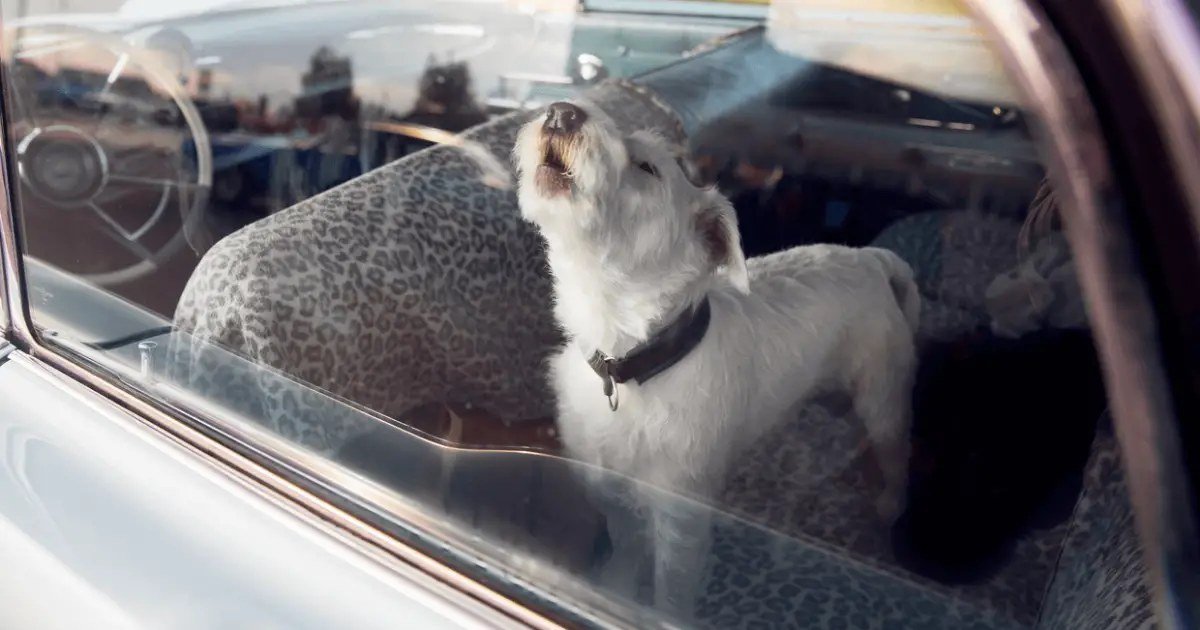
You pull out of the driveway, and before you reach the end of the street, the whining starts. It is high, constant, and impossible to ignore. If you have ever asked why does my dog whine in the car, you know how stressful a noisy car ride can be, for you and for your dog.
A car whine is not your dog being naughty. It is a message, and it usually means one of three things: your dog feels sick, your dog is scared, or your dog is too excited to sit still. Each one sounds similar from the driver’s seat, but each one needs a different fix. Treat the wrong cause, and the whining will not stop.
This guide shows you how to tell the three kinds of car whine apart in thirty seconds, what to do about each one, and how to build a calm car dog in four weeks. It also covers puppies, older dogs, and the warning signs that mean a vet visit instead of a training plan.
Direct answer: Dogs whine in the car because the ride overwhelms them, usually from motion sickness, travel anxiety, or excitement. Motion sickness shows up as drooling, lip licking, and whining once the car is moving, and it is most common in puppies. Anxiety shows up before the car even moves, with panting, trembling, and trying to climb into your lap. Excitement is a high, fast whine with a wagging tail and pawing at the window. Work out which one your dog has first, because the fix for sickness is different from the fix for fear.
Never scold a dog for whining in the car. Whining is communication, not disobedience, and punishing it only adds fear to a dog that is already stressed. The fastest way to a quiet car is to find the cause and fix that, one small step at a time.
Why Does My Dog Whine in the Car? The Short Answer
Your dog’s body was not built for cars. A car moves in ways a dog’s balance system does not expect, it smells strange, it vibrates, and it takes the dog to places it cannot predict. For many dogs, that combination is simply too much, and the whine is how they say so.
Motion sickness is the most common cause in young dogs. The balance organs in the inner ear tell the brain the body is moving, while the eyes, fixed on the still interior of the car, report that nothing is moving. The brain gets two opposite messages, and the result is nausea. Drooling, lip licking, yawning, and whining are the early signs, and vomiting comes later.
Travel anxiety is the most common cause in adult dogs. A dog that has been sick in the car, or that only ever rides to the vet, learns that the car means feeling bad. Soon the fear starts before the engine does. The dog may drool or tremble in the driveway, refuse to get in, or pace and pant for the whole trip.
Excitement is the happiest cause, and the easiest to live with. A dog that only ever rides to the park or the beach learns that the car means fun, and it whines because it cannot wait to get there. The whine is high and fast, the tail wags, and the dog paws at the window. It is not distress, but it still needs managing, because an excited dog is a distracted driver problem.
The 3 Kinds of Car Whine
Here are the three kinds in detail. Most dogs fall clearly into one of them, and some dogs have two at once, usually sickness that has turned into fear over time.
1. Motion sickness: the queasy whine
Motion sickness is a physical problem, not a behaviour problem. The inner ear is still developing in puppies, which is why young dogs get car sick most. Most puppies outgrow it by about 12 to 18 months of age, as the balance system matures. Adult dogs that still get sick usually have a sensitive vestibular system, and they may never fully outgrow it.
The signs build in a clear order. First comes drooling, lip licking, and repeated swallowing. Then comes whining, restlessness, and yawning that has nothing to do with tiredness. Then comes vomiting, usually within 10 to 20 minutes of the car moving. If your dog is calm in a parked car and only starts whining once you are moving, sickness is the likely cause.
Brachycephalic breeds such as Bulldogs, Pugs, and Boston Terriers are more prone to car sickness, because their short airways make swallowing and breathing harder to coordinate. Dogs that have just eaten a full meal are also more likely to feel sick. A small snack a few hours before travel is better than a full stomach.
Motion sickness is the one cause where medicine genuinely helps. Maropitant, sold as Cerenia, is the drug vets prescribe most for car sickness, and it prevents vomiting without sedation. It does not help anxiety, though, which is why the diagnosis matters. The VCA’s guide to motion sickness in dogs explains the signs and the medicine options in full.
2. Travel anxiety: the scared whine
Travel anxiety is learned fear, and it builds with every bad trip. A dog that vomited in the car as a puppy may still dread the car years later, long after the sickness has gone. The fear itself becomes the problem, and the whining is the sound of it.
The key clue is timing. An anxious dog shows signs before the car moves. It may hesitate at the car door, back away, drool in the driveway, or tremble when it sees the keys. Once inside, it pants, paces, tries to climb into your lap, or hides on the floor. The whining may continue after you arrive, because the fear does not switch off when the engine does.
Anxiety is also the cause when a dog that used to ride happily suddenly starts whining. A bad experience, such as a long hot trip, a car accident, or a painful vet visit, can turn a good traveller into a fearful one in a single day. Senior dogs can also become more anxious in the car as their hearing and vision fade and the ride feels less predictable.
Anxious dogs need patience, not medicine alone. Anti-anxiety drugs can help in severe cases, but the real fix is a slow desensitisation plan that rebuilds the car’s meaning, one short happy trip at a time. That plan is laid out later in this guide.
3. Excitement: the happy whine
Excitement whining is the only kind that means your dog is having a good time, or at least expecting one. The whine is high-pitched and fast, it comes in bursts rather than a constant drone, and it is paired with a wagging tail, bright eyes, and pawing at the window or door.
You will usually hear it on familiar routes. The dog knows the road to the park, the beach, or a friend’s house, and it starts whining as the car turns in the right direction. Some dogs whine the whole way there and sleep the whole way home. That pattern tells you everything: the whine is anticipation, not distress.
Excitement whining is normal, but it still needs a limit. An excited dog can distract the driver, climb over seats, and block your view. The fix is to teach the dog that calm behaviour earns the fun, and to keep the car boring until the destination arrives. A chew toy, a window shade, and a calm voice all help.
If you are not sure which kind your dog has, use the test in the next section. It takes thirty seconds, and it will point you at the right fix.
The 30-Second Test: Which Whine Is It?
Next time your dog whines in the car, run this test. Look at the timing, the drool, and the body, and match what you see to a row. One row will fit far better than the others, and that row is your answer.
| What you see | What it usually means | First step |
|---|---|---|
| Whining with drool, lip licks, hard swallowing | Motion sickness | Ask your vet about anti-nausea medicine; feed a small snack 3 hours before travel |
| Whining that starts before the engine, dog refuses to load | Travel anxiety | Start the 4-week desensitisation plan below |
| High, fast whine, wagging tail, pawing at the window | Excitement | Keep the car calm; reward quiet moments; use a chew toy |
| Whining with panting, tucked tail, trying to climb into your lap | Real stress or fear | Slow down; shorten trips; ask a vet or behaviourist |
| Whining that stops the moment the engine goes off | Anxiety about the ride itself | Rebuild good feelings with short, happy trips |
| Whining that fades minutes after the car stops | Motion sickness | Improve airflow and seating position; keep trips short |
| New whining in a dog that always rode fine | Possible pain or illness | See a vet first, before any training |
How to Fix Motion Sickness
Start with the easy changes, because they help most dogs. Feed a small snack three to four hours before travel, not a full meal. An empty stomach can make nausea worse, and a full stomach makes vomiting more likely. A few plain biscuits are ideal.
Seat position matters more than most owners realise. The middle of the back seat is the best spot, because it moves less than the sides and lets the dog see out of the front window. Looking out at the horizon helps the brain match what the eyes see with what the inner ear feels. A dog that can see the road ahead feels sick less often than a dog staring at the back of a seat.
Fresh air helps too. Open a window a crack, or run the air conditioning on fresh air rather than recirculation. Strong smells make nausea worse, so skip the air freshener and clean up any spilled food or vomit promptly. Keep the car cool, because heat makes sickness worse.
Keep trips short while you work on it. A five-minute drive to nowhere, followed by a treat and a walk home, teaches the body that car rides end well. Build the length slowly, a few minutes at a time. If the dog vomits, do not make a fuss. Clean up calmly, end the trip, and try again another day.
If the easy changes are not enough, talk to your vet about medicine. Maropitant (Cerenia) is given an hour or two before travel and prevents vomiting for about 24 hours. Some vets also use meclizine or ondansetron for mild cases. Never give your dog human motion-sickness tablets without a vet’s advice, because the dose and the safety differ. Our dog medication calculator can help you double-check a vet-prescribed dose by weight, but the vet should always decide what your dog takes.
The 4-Week Calm-Car Plan
This plan rebuilds the car from a scary place into a boring one, and then into a happy one. It works for anxiety, and it also helps dogs whose sickness has turned into fear. Go at your dog’s pace. If a step causes whining or trembling, go back a step for a few days.
Week one is about the parked car. Sit in the car with your dog for five minutes a day, engine off, doors open. Give treats, speak calmly, and let the dog sniff around. Do not drive anywhere. The goal is for the dog to learn that the car is just a place, not a threat.
Week two adds the engine. Sit in the car with the engine running for a few minutes, still parked. Give treats and praise. Then turn the engine off and go inside. If the dog is calm, take a one-minute drive around the block and come straight home. Keep it boring and short.
Week three adds short happy trips. Drive for five minutes to somewhere fun, such as a quiet park or a friend’s garden. Let the dog out, play for a few minutes, and drive home. The dog needs to learn that most car trips end in good things, not in vet visits.
Week four builds the length. Add five minutes to each trip, a few times a week, until you reach a normal journey. Keep giving a treat at the start and a fun ending at the other side. If the whining returns at a longer distance, drop back to the last length that was calm and stay there for a week.
Car Setup That Helps Every Dog
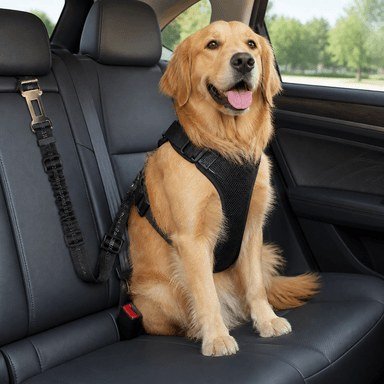
A good setup makes every kind of car whine easier. Start with restraint. A crash-tested harness, a secured crate, or a car seat keeps your dog safe and stops it climbing into your lap. A dog that cannot pace or climb will settle faster, and you can drive without a distraction.
Give your dog a familiar smell. A blanket from its bed, or a worn T-shirt of yours, makes the car smell like home. Dogs rely on scent more than any other sense, and a familiar smell is calming in a strange place. A chew toy or a long-lasting treat also helps, because chewing is a natural calming behaviour.
Control the temperature. Dogs overheat faster than people, and a hot car makes nausea and anxiety worse. Aim for cool air, and never leave a dog alone in a parked car. Even on a mild day, a parked car heats up fast, and a dog left inside can suffer heatstroke in minutes.
Plan toilet breaks. A dog that needs the toilet will whine, pace, and circle, and it is easy to mistake that for anxiety. Stop every two hours on long trips, offer water, and let the dog stretch its legs.
Dogs that get plenty of exercise before a trip also ride better. A tired dog is a calm dog. If the trip allows it, take your dog for a walk before you leave, so it starts the journey relaxed rather than full of energy.
Puppies vs Adult Dogs in the Car
Puppies and adult dogs whine in the car for different reasons, and the fix is different too. Puppies are the most common car whiners, and most of them have a physical reason. Their inner ear balance system is not fully formed, so the movement of the car makes them genuinely sick. The good news is that most puppies outgrow this by 12 to 18 months.
For a puppy, keep trips short and frequent. A five-minute drive every day beats a one-hour drive once a week, because the puppy’s balance system gets used to the movement gradually. Sit with the puppy if you can, or put it in a crate low down where the movement is gentlest. And always end the trip with something pleasant, so the puppy builds good associations early.
Senior dogs deserve special care. Older dogs may whine because of arthritis pain made worse by the car’s vibration, or because fading hearing and vision make the ride confusing. A senior dog that suddenly starts whining in the car should see a vet. A padded bed, a ramp for getting in, and shorter trips all help.
When to See a Vet About Car Whining
Most car whining is a training or management problem, not a medical one. A few patterns need a vet. The clearest is a sudden change: a dog that always rode happily and now whines, drools, or refuses to get in. Something has changed, and the vet should find out what.
See a vet promptly if the whining comes with vomiting that does not stop, diarrhoea, lethargy, or loss of appetite. These can signal more than motion sickness, including ear infections, vestibular disease, or stomach problems. A dog that vomits long after the ride has ended may have a digestive issue rather than car sickness.
Before the visit, note when the whining starts, what it sounds like, and what else happens at the same time. A short phone video from the passenger seat is very helpful, because the vet can hear the whine and see the body language. The same detective approach works for other puzzling behaviours, such as the night-time panting covered in our guide on why dogs pant at night.
If the vet rules out a medical cause, the next step is a qualified behaviourist, especially for severe anxiety. A behaviourist can build a desensitisation plan for your dog’s exact fear and can advise on anti-anxiety medicine if training alone is not enough. The ASPCA’s separation anxiety guide is a useful starting point, because car anxiety and separation anxiety often travel together in the same dog.
Frequently Asked Questions
Should I leave the window down for my dog in the car?
A window open a crack is good: fresh air helps with nausea and keeps the car cool. A window open wide enough for your dog to stick its head out is not a good idea. Flying debris, insects, and sudden braking can injure a dog’s eyes, ears, and nose, and a dog can be thrown from a car in a crash. Let your dog enjoy the breeze through a small gap, and keep its head inside. A window shade on the sunny side also helps, because direct sun and heat make both sickness and anxiety worse.
Is it safe to give my dog Benadryl for car rides?
Diphenhydramine, sold as Benadryl, is sometimes used by vets for mild car anxiety or motion sickness, because it can cause drowsiness. It is not a proper anti-nausea drug, and it does not work as well as maropitant (Cerenia) for sickness. Never give it without asking your vet first, because the dose depends on your dog’s weight and health, and it is not safe for dogs with some conditions, such as glaucoma or heart disease. Our dog Benadryl calculator can help you check a vet-approved dose by weight, but the vet must decide whether Benadryl is right for your dog at all.
Why does my dog only whine on the way home?
This is usually about the destination, not the car. If the whining starts on the way to the park and stops on the way home, it is excitement. If it starts on the way home from the vet, the groomer, or a stressful visit, it may be tiredness, pain, or relief. Some dogs whine on the way home because they are overstimulated after a busy day and cannot settle. Others whine because the trip home means the fun is over, and they are frustrated. Check the pattern over a few trips: if the whining follows the destination rather than the direction, the destination is the clue.
Can a dog whine in the car because he needs the toilet?
Yes, and this is easy to miss. A dog that needs the toilet will whine, pace, circle, and sniff the car floor, and it can look exactly like anxiety. The difference is the urgency: toilet whining is usually sudden and frantic, and it often starts after a long stretch without a break. Always give your dog a toilet break before a trip, and stop every two hours on long journeys. Puppies, senior dogs, and dogs with stomach upsets need more frequent stops. If the whining stops the moment your dog gets out and goes to the toilet, you have your answer.
How long does it take for a dog to get used to car rides?
It depends on the cause. A puppy with mild motion sickness often improves within a few weeks of short, regular trips, and most outgrow it by 12 to 18 months. A dog with mild anxiety usually needs four to six weeks of the desensitisation plan. A dog with severe anxiety can take two to three months, and some need medicine alongside training. The key is to go at the dog’s pace and never rush a step.
A whining dog in the car is not trying to ruin your trip. It is telling you, in the only way it can, that the ride is too much. Work out whether it is sickness, fear, or excitement, and fix that cause. Keep the trips short, the car calm, and the endings happy. Do that for a few weeks, and most dogs settle into quiet passengers, the kind that curl up, sigh, and sleep all the way home.