Why Does My Dog Growl When Playing Tug of War?
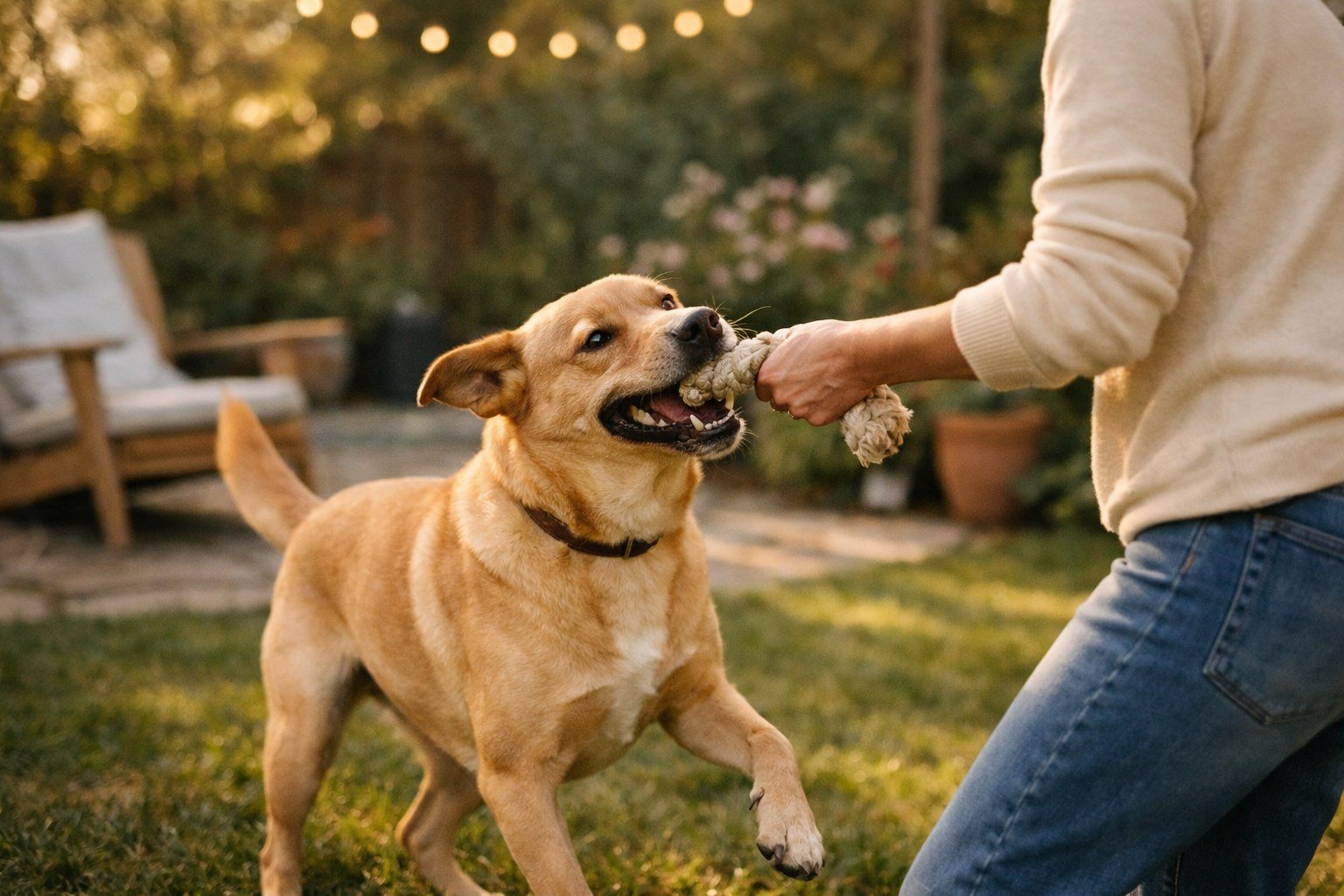
The rope goes taut, your dog digs in its heels, and then it comes: a low, rumbling growl that vibrates right through the toy and into your hands. Your first thought is usually the same one every owner has. Is my dog angry with me? If you have ever asked why does my dog growl when playing tug of war, here is the good news first: in most cases, that growl is pure fun.
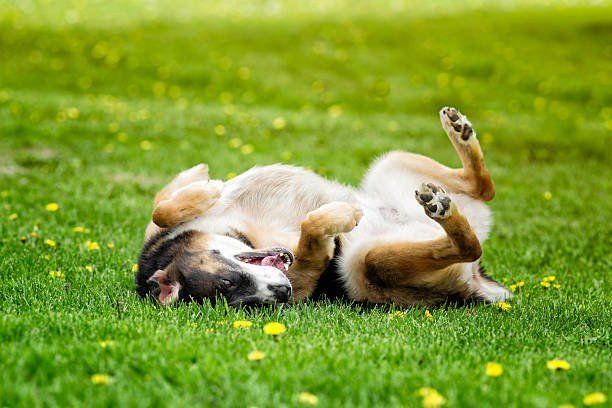
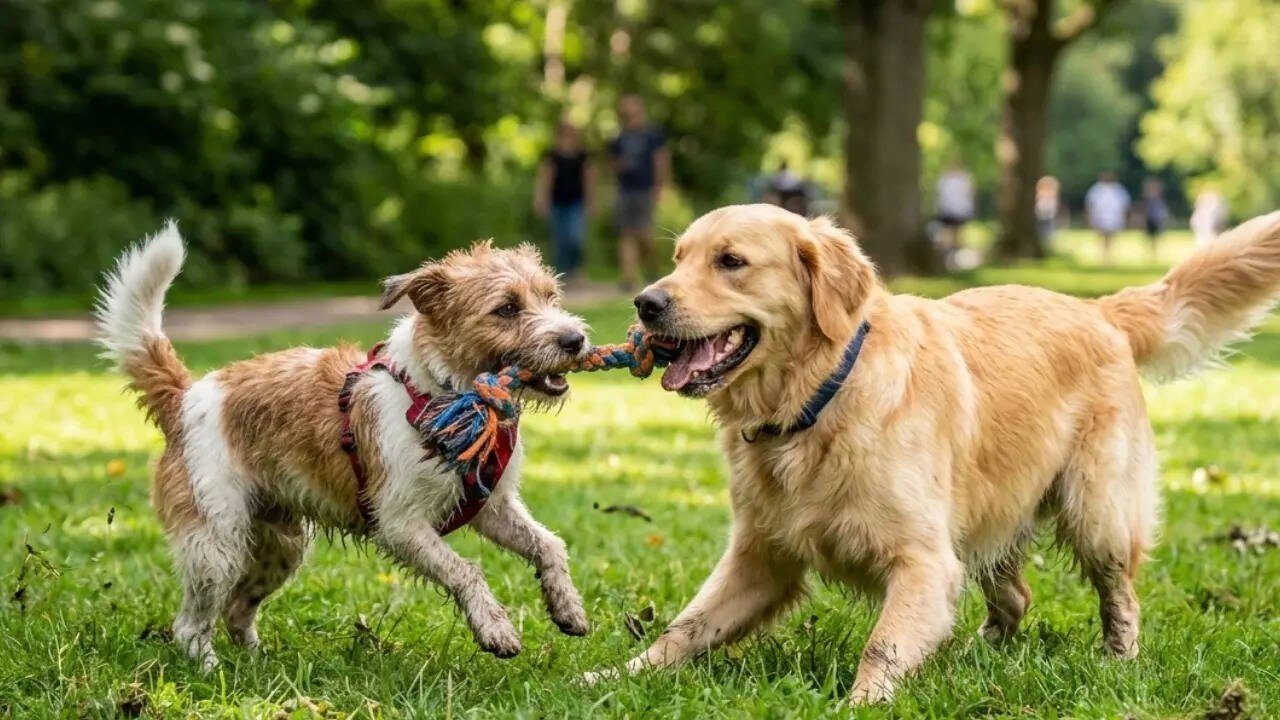
A play growl is not the same as a warning growl, even though they can sound almost identical. The difference is in the body, not the sound. A dog that is having fun has a loose, wiggly body and soft eyes. A dog that means business goes stiff, stares hard, and stops playing around. Learn to read the body, and you will never need to guess again.
This guide explains why dogs growl during tug of war, the five signs that tell play from a real warning, and the simple rules that keep the game safe for everyone. It also covers puppies, older dogs, and what to do when the growl starts to change.
Direct answer: Dogs growl when playing tug of war because the game is exciting, physical, and competitive, and growling is how dogs express that excitement out loud. A play growl is usually higher-pitched, choppy, and paired with a loose body, a wagging tail, and a play bow. It is normal, healthy, and not a sign of aggression. A warning growl is lower, longer, and paired with a stiff body, a hard stare, and bared teeth, and that is the one that means stop the game.
Never punish a dog for growling, even during play. Growling is your dog’s way of talking to you. If you punish it, the dog may stop growling and go straight to snapping instead, and then you lose your early warning completely.
Why Does My Dog Growl When Playing Tug of War? The 5 Reasons
Tug of war is one of the most natural games a dog can play. It uses the same muscles and instincts as the games dogs play with each other, and the growl is part of that package. Here are the five reasons your dog makes that sound, and none of them mean it is angry with you.
1. Excitement: the sound of having fun
Excitement is the most common reason, and it is the simplest. A dog that is pulling hard, moving fast, and having a great time lets the sound out with each breath. It is the dog version of a person shouting with joy on a roller coaster. The growl is not aimed at you. It is just excitement leaking out.
You will hear this growl most in the middle of a good game, when the rope is tight and the dog is pulling with everything it has. It comes in bursts, it stops when the dog takes a breath, and it starts again when the pulling resumes. The tail is wagging, the body is bouncing, and the dog keeps coming back for more.
2. Talking: growling is communication
Dogs do not have words, so they use sound, posture, and movement to talk. A growl during play is a sentence, not a threat. It can mean “this is great, keep going” or “I am really into this game” or “pull harder, I can take it”. The growl is part of the back-and-forth conversation between you and your dog.
Some dogs are simply chattier than others. Terriers, herding breeds such as Border Collies and Australian Shepherds, and retrievers are all known for being vocal players. If your dog growls during tug but is silent during fetch, that is just its personality showing in the game it loves most.
3. Predatory play: an old instinct at work
Tug of war taps into the hunting instincts that every dog carries, even a pampered house pet. Grabbing, pulling, and shaking are the same movements a wild dog uses with prey, and the growl comes with them. That does not mean your dog thinks you are prey. It means the game feels important and exciting, and the old wiring switches on.
This is also why some dogs shake the toy from side to side while they growl. The shaking is the same motion a dog uses to finish a tug with a toy, and it is completely normal during play. It only becomes a concern if the dog starts shaking with a stiff body and will not let go when you ask.
4. Self-handicapping: a polite dog’s trick
Self-handicapping is a clever piece of dog social behaviour. A big, strong dog playing with a smaller dog, or with a person, will often soften its play on purpose. It growls gently, pulls less hard than it could, and lets the other side win sometimes. The growl is part of the act: it makes the game feel exciting without making it dangerous.
You can spot self-handicapping when your dog could clearly win the tug in one pull but chooses not to. It pulls, it growls, it lets you pull the toy back, and it comes in for another round. That is a dog that understands the game and is playing it properly.
5. Asking for more: keep the game going
Sometimes the growl is an invitation. Your dog drops the toy, growls, paws at it, and looks at you. That is not a challenge. It is your dog saying “again, please”. A growl that comes between rounds, with a play bow and a bouncy body, is one of the clearest invitations in dog language.
Dogs that love tug often have a whole routine for starting it. They bring the toy, drop it at your feet, growl softly, and wait. If you pick it up, the game is on. If you ignore it, they may nudge the toy closer or bark once. That is not pushiness. It is a dog asking its favourite person to play.
The 5 Signs That Tell Play From a Real Warning
Here is the part that matters most. A play growl and a warning growl can sound very similar, but the body never lies. Check these five signs every time you hear a growl during tug. If most of them point to play, relax and enjoy the game. If most of them point to a warning, stop calmly.
| What to check | Play growl (keep playing) | Warning growl (stop the game) |
|---|---|---|
| Body | Loose, wiggly, bouncy, moving freely | Stiff, frozen, leaning forward, weight shifted onto the toy |
| Sound | Higher-pitched, choppy, stops and starts | Low, deep, long and steady, getting louder |
| Eyes and face | Soft eyes, relaxed mouth, ears in a normal position | Hard stare, wrinkled muzzle, lips pulled back, teeth bared |
| Tail | Wagging loosely, wide sweeps | Stiff and high, or tucked tight under the body |
| Response to you | Drops the toy when asked, takes a break, comes back happily | Ignores commands, guards the toy, snaps or lunges when you reach for it |
One sign on its own does not decide it. A dog can have a stiff tail and still be playing, and a warning growl can be quiet. Look at the whole dog, not just one part.
If three or more signs point to a warning, stop the game calmly and give your dog space. The VCA’s guide to canine communication explains the full body-language picture in more detail, and it is worth reading if you want to get better at reading your dog.
Safe Tug Rules: How to Keep the Game Fun
Tug of war is a safe, healthy game when it has rules. The rules protect your dog’s neck and teeth, they protect your hands, and they teach your dog that you are in charge of the game. Teach them from the first game, and tug will stay fun for years.
Rule one is the most important: teach a solid “drop it” before you play hard. Start with a low-value toy and trade it for a treat. Say “drop it”, offer the treat, and praise the dog when it lets go. Repeat this until the dog drops the toy on the word alone, without a treat in sight. A dog that will drop the toy on command is a dog you can always stop safely.
Rule two is about your hands. Keep them on the toy, not near the teeth. If your dog’s teeth touch your skin, even by accident, stop the game at once. Say “too bad” in a calm voice, put the toy away, and wait a minute before starting again. The dog quickly learns that teeth on skin ends the fun, and it will get more careful.
Rule three is about time. Keep each round short, about 20 to 30 seconds, then ask for a drop and a sit before the next round. Short rounds keep excitement at a fun level instead of letting it boil over into over-arousal. A dog that is too excited stops listening, and a dog that stops listening is a dog that needs a break.
Rule four is about the neck. Pull gently and side to side, never straight up and down. Pulling up puts strain on the neck and spine, especially in puppies and small breeds. Let the dog do the pulling, and you do the holding. If your dog pulls hard enough to lift its front feet off the ground, the game is too intense, and it is time for a break.
Rule five is about children. Never let a young child play tug with a dog unsupervised. A child cannot judge when a game is getting too intense, and a dog that is excited can knock a child over or catch a small hand by mistake. Adults should run the game, and children can join in only when the dog is calm and the rules are solid.
Rule six is about the end of the game. You decide when it stops, not the dog. End on a calm note, with a drop, a sit, and a treat. Then put the toy away. A toy that is always available is less exciting, and a dog that only gets the tug toy during games values it more and listens better.
Puppies, Seniors, and Special Cases
Puppies can play tug, but the game needs to be gentler. A puppy’s teeth are still coming in, and its neck and joints are still growing. Use a soft toy, keep the rounds very short, and let the puppy win often. Winning builds confidence, and a confident puppy grows into a calm adult dog.
Never yank a toy out of a puppy’s mouth. A sharp pull can damage growing teeth and hurt the neck. Instead, trade for a treat every time. The puppy learns that giving up a toy is a good deal, and that lesson pays off for the rest of its life. Our puppy development calculator can help you track which stage your puppy is in, so you know what kind of play suits its age.
Senior dogs can play tug too, but watch for signs of pain. A dog with arthritis in the neck or shoulders may growl during tug because it hurts, not because it is excited.
If your older dog starts growling during a game it used to love, or if it is stiff afterwards, ask your vet to check its joints. Our dog life expectancy calculator gives a rough guide to your dog’s life stage, and the dog exercise calculator can help you match play to what an older dog can handle.
Some dogs should not play tug at all. A dog with a sore neck, a loose tooth, or a recent injury needs to rest. A dog that guards toys aggressively, and will not drop them even for a high-value treat, needs help from a trainer before it plays tug again. And a dog that has bitten during play needs a behaviourist, not a new toy.
If your dog growls at the television during play, that is a different kind of excitement altogether. Our guide on why dogs bark at the TV explains how screen excitement works and how to calm it.
When a Play Growl Turns Into a Problem
Most play growls stay play growls. But a game can tip over into something else, and the signs are easy to spot if you know what to look for. The change usually happens gradually, over several games, so check in with yourself every time you play.
The first warning sign is escalation. The growl gets lower and longer each round, the body gets stiffer, and the dog stops responding to “drop it”. If you notice this, end the game calmly. Do not wrestle the toy away, because that turns it into a contest. Ask for a drop, trade for a treat, and put the toy away.
The second warning sign is guarding. A dog that stands over the toy, freezes when you reach for it, or growls when you walk past it is guarding, not playing. Guarding needs a trainer’s help, because it can spread from toys to food to resting places. Our guide on why dogs bring their food bowl covers the food side of guarding and how to spot it early.
The third warning sign is redirected excitement. A dog that is very wound up from tug may snap at the nearest thing when the game stops, including your hand or another dog. If your dog does this, the game is too intense. Shorten the rounds, add more breaks, and end the game before the dog reaches that level.
The fourth warning sign is a change in pattern. A dog that always growled happily and suddenly growls differently, or growls when it never used to, may be in pain. A sore tooth, an ear infection, or a stiff neck can all make a dog growl during play. If the change is sudden, see your vet before you play tug again.
Remember that yawning during play can also be a calming signal, not tiredness. Our guide on why dogs yawn when petted explains the difference between a tired yawn and a stressed one.
Frequently Asked Questions
Should you let your dog win at tug of war?
Yes, sometimes. Letting your dog win a round now and then builds confidence and keeps the game fun, and it does not make your dog dominant. The old idea that the human must always win is a myth. What matters is that you control when the game starts and stops, and that your dog drops the toy when you ask.
If your dog wins a round and then drops the toy happily when you ask, you have a well-trained dog and a happy game. The only time to always win is with a dog that guards toys, and that dog needs a trainer before it plays tug.
Is tug of war bad for a dog’s teeth?
It can be, if the game is too rough. Hard pulling, yanking the toy sideways, and playing with very hard toys can chip teeth or damage the gums, especially in puppies with baby teeth and in older dogs with worn teeth. Use a soft rope or rubber toy, pull gently, and never yank.
Check your dog’s teeth once a week for chips or cracks. If you see a broken tooth, stop tug games until your vet has checked it. A cracked tooth is painful and can become infected.
Can tug of war make a dog aggressive?
No, and this is one of the most persistent myths about the game. A study by researchers Rooney and Bradshaw in 2003 found that dogs that played tug of war were not more aggressive than dogs that did not, and they were actually more confident. The game itself does not create aggression.
What can create problems is a game with no rules, where the dog learns that growling and grabbing gets it what it wants. With clear rules, a drop command, and short rounds, tug is a safe and healthy outlet for a dog’s energy.
Why does my dog shake the tug toy from side to side?
Shaking is part of the predatory play pattern. Wild dogs shake prey to finish it, and pet dogs shake toys for the same reason, even though the toy is not alive. It is normal during tug and during solo play with a stuffed toy. It only becomes a concern if the dog shakes violently, will not stop when asked, or shakes with a stiff body and a hard stare.
In that case, end the game and let the dog calm down. A dog that shakes its toy gently while wagging is just enjoying itself.
My dog growls at other dogs during tug — is that different?
Yes, it is different, and it needs more care. A growl aimed at you during a game is usually play noise. A growl aimed at another dog that comes near the toy is often resource guarding, and it can escalate into a fight. If your dog growls at other dogs during tug, stop playing tug in multi-dog settings.
Play one-on-one with your dog, away from other dogs, and work on a drop command and a trade game. If the guarding spreads to food, beds, or resting places, ask a certified trainer for help before it becomes a bigger problem.
A growl during tug of war is one of the most misunderstood sounds a dog makes. Most of the time it is joy, excitement, and a dog asking you to keep playing. Learn the five signs, keep the rules simple, and the game will stay what it should be: the best ten minutes of your dog’s day.